When Waste Is Not About Efficiency, But Integrity
When Waste Is Not About Efficiency, But Integrity
In early childhood, waste rarely looks dramatic. It looks like exhausted teachers doing unnecessary work. It looks like leaders buried in compliance. It looks like talent that is not being invited to contribute.
We do not lead assembly lines. We lead people. We serve children. We carry mission.
Yet many programs are quietly overwhelmed by activity that does not add value:
- Forms no one reads
- Reports that duplicate other reports
- Meetings that solve little
- Processes that exist simply because they always have
From the outside, it can look responsible. From the inside, it feels heavy.
As serving leaders, we must ask better questions. Not just operational questions, but moral ones.
The Serving Leader Lens
As serving leaders, we ask:
- Does this add value to children?
- Does this help teachers succeed?
- Does this align with our mission?
- Or is it simply a legacy habit?
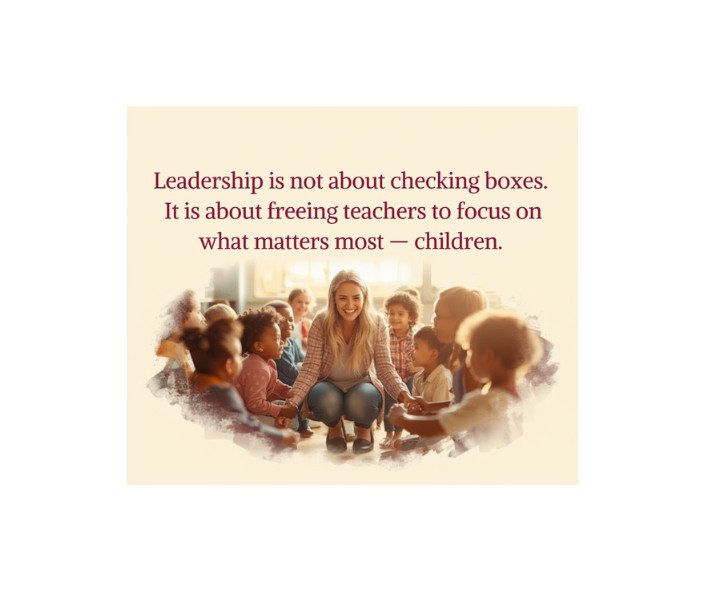
Leadership is not about checking boxes. It is about freeing teachers to focus on children.
Removing unnecessary work is not about improving systems for their own sake. It is about protecting energy for children, strengthening teachers, and staying faithful to mission.
The Most Expensive Form of Waste
In early childhood, the greatest waste is not paper or time. It is human potential.
- When teachers are overwhelmed by compliance and stop offering ideas
- When leaders spend more time managing systems than developing people
- When emerging leaders are never invited to grow
Removing unnecessary work creates space for clarity, leadership, and children.
A Gentle Invitation
If you are leading in early childhood right now, consider this: What truly adds value in your program? And what exists because no one has paused long enough to question it?
Serving leadership requires thoughtful courage. The courage to examine what we tolerate. The courage to simplify. The courage to protect our people.
Because when teachers are less burdened by unnecessary work, they have more energy for children. And that is what matters most.
If this conversation resonates with you, the Serving Leader Short Course may be a helpful next step. It is fully online and on-demand, created for early childhood leaders whose schedules are anything but predictable. You can move through it at your own pace while applying the tools directly to your program and your team.
With care and kindness,
Kim